
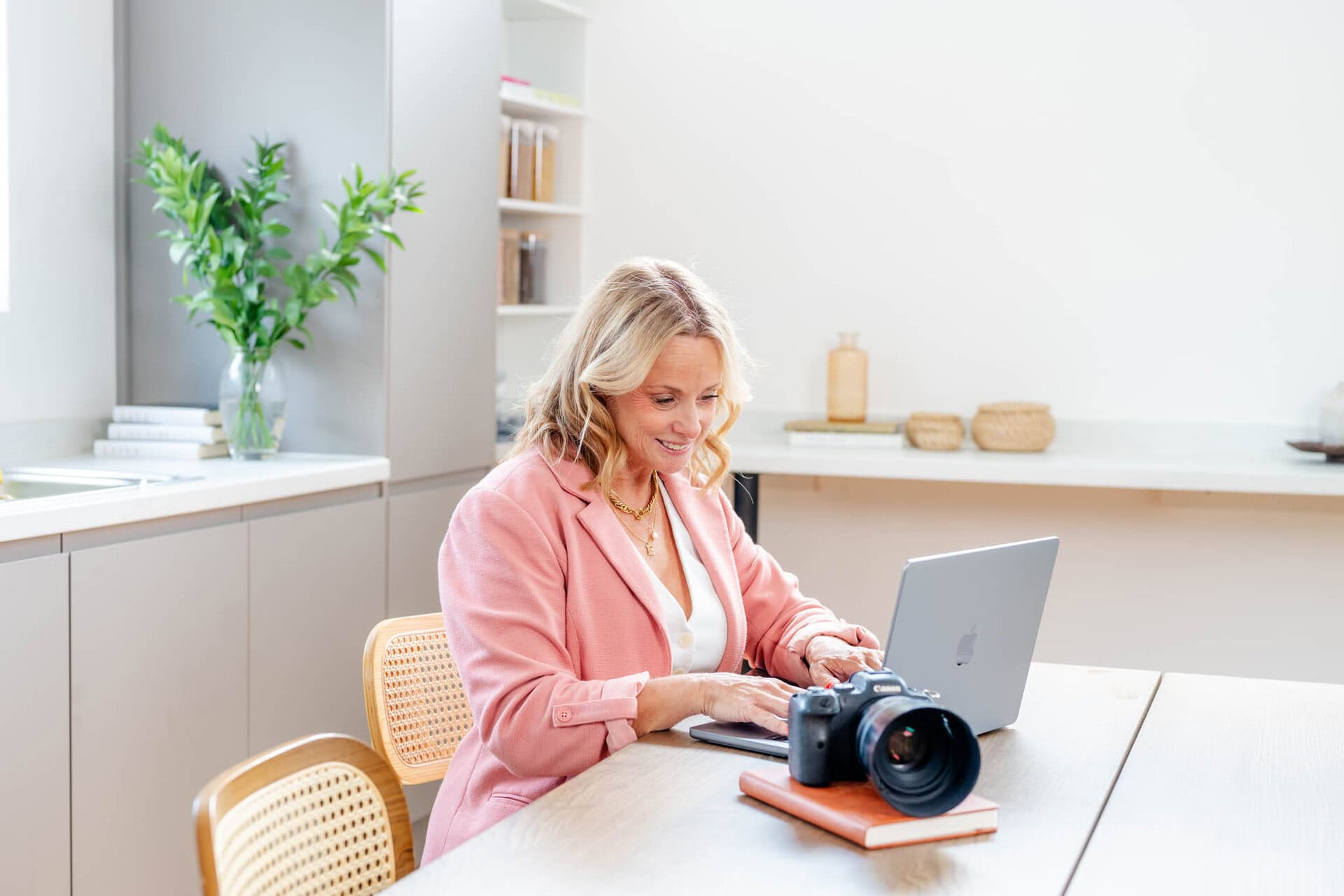
The marketing lesson I learnt from being a photographer
I still remember posting things on LinkedIn and wondering if anyone would see them. Writing something, pressing publish, then refreshing the page far more times than I care to admit. Every business owner knows that feeling.
Nobody tells you, when you start a photography business, that you’ll end up spending half your time thinking about marketing. I didn’t train as a marketer. I trained as a photographer first, then went on to work as a Picture Editor, which is really just a different way of looking at images and deciding which ones earn their place. Marketing wasn’t the plan. But somewhere along the way, I realised I actually love it. Not because I wanted to become a marketer, but because I became fascinated by why some businesses seem to connect with people so effortlessly, while others never quite do.
Not in a “I’ve read all the growth hacking books” way. More in a “I find this genuinely interesting and I want to get better at it” way.
The idea that changed how I think about my own work
Social media and photography aren’t separate jobs that happen to overlap sometimes. They’re the same job, told two different ways.
Your strategy decides what you’re saying. Your images decide whether anyone believes it.
The words need the pictures to make people believe them.
The pictures need the words to give them somewhere to go.
Split those two things up and you end up with a profile that reads like two different people wrote it, because in a way, it was.
I see it all the time. Someone invests in a brilliant branding shoot. They update their profile photo. Then… nothing. Six months later they’re still using the same three images, because nobody ever showed them how to build content around them. I wrote a guide on getting more value from your photos after the shoot for exactly this reason. Great images are only half the story. Using them well is where the real value comes from.
I see the reverse too. Someone’s put real thought into their message. They know their audience, their positioning, they’ve probably worked with a strategist or done a course. And their profile photo is three years old, or their most recent post has a stock image that says nothing about who they actually are.

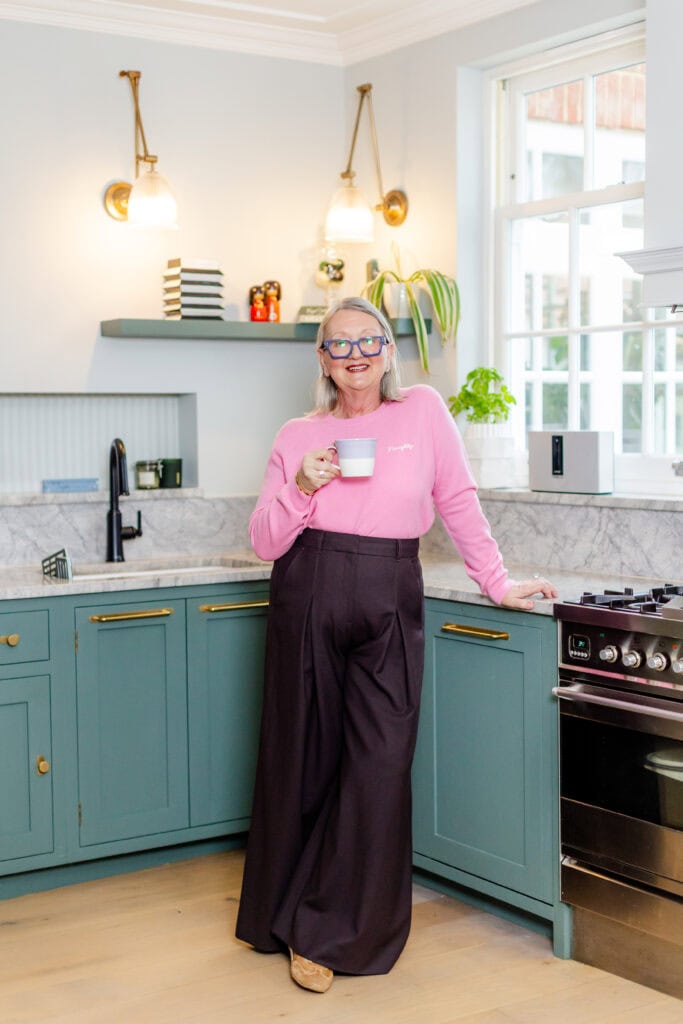
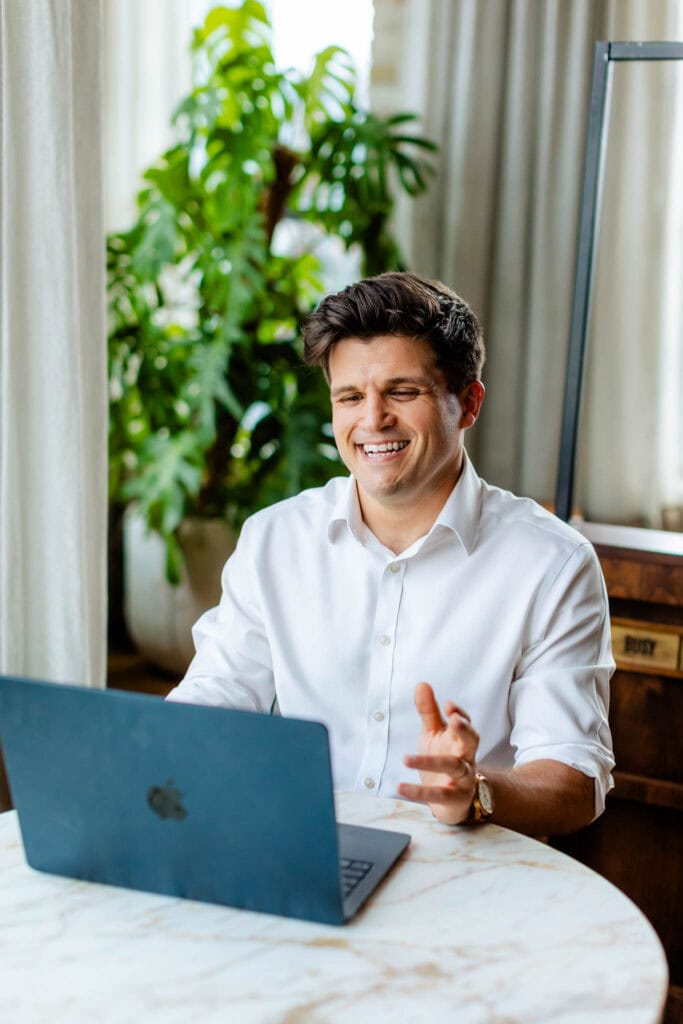
LinkedIn is probably where I notice this most, because it’s one of the first places people go when they’re deciding whether to work with someone. Before they enquire, before they book a call, they’ll often click through to your profile. That’s where your words and your images either reinforce each other, or quietly undermine one another.
It’s not just the photos themselves either. What you wear is part of the story too, which is why I always encourage clients to think about timeless pieces that reflect their brand rather than whatever’s trending that season. I’ve written more about choosing outfits for a branding shoot here
Neither half works on its own.
What years of photographing business owners has taught me about marketing
I spend most weeks photographing founders, coaches and business owners, which has given me a slightly different vantage point on marketing than most people who teach it.
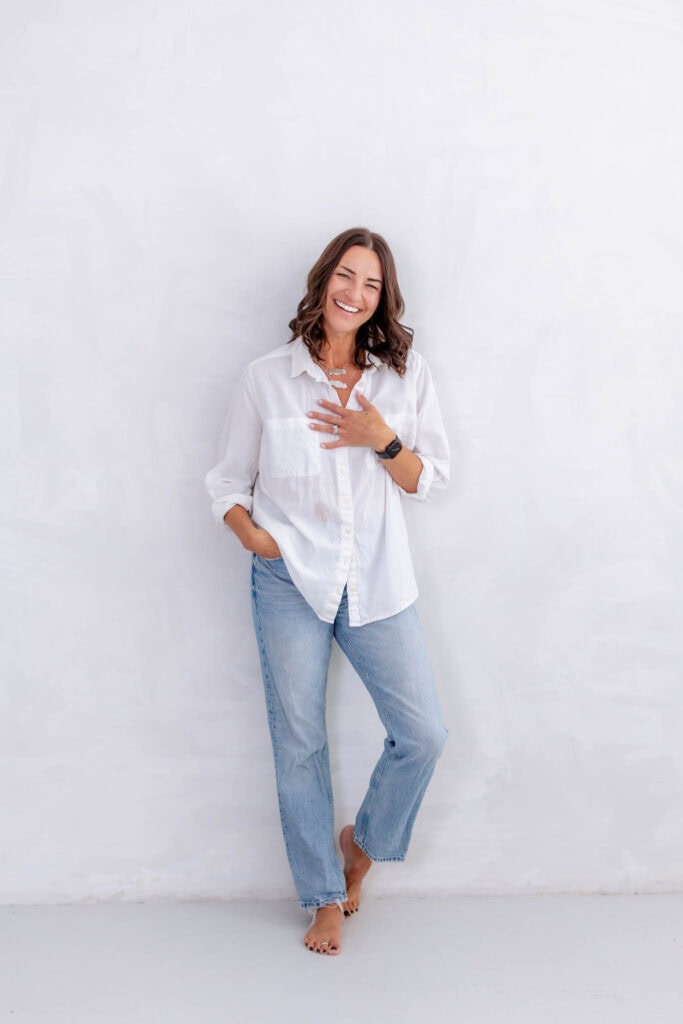

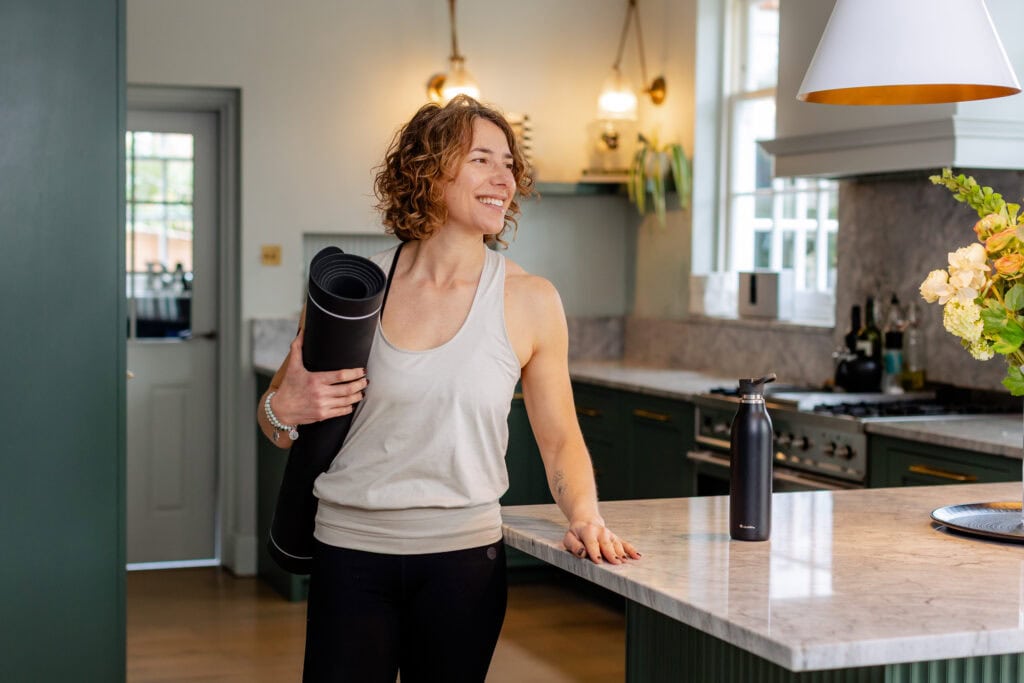
One thing I’ve noticed is that the people who market themselves best rarely have the loudest personalities. They’re usually the clearest. They know who they help, they communicate consistently, and they aren’t trying to appeal to everyone. Long before someone gets in touch, they’re quietly deciding whether you feel credible, approachable and trustworthy, which is a subject I find genuinely fascinating. I explored it properly in this post on the quiet foundations of trust in business
The same principle holds whether you’re a solo founder or part of a larger team. Consistent messaging and authentic imagery build trust in exactly the same way, which is something I touched on in a piece on corporate and team photography that actually builds trust, rather than the usual stiff line-up against a plain background.
Learning as I go, on purpose
I haven’t worked any of this out by following a formula. I’ve done it by trying things, seeing what lands, dropping what doesn’t, and staying close enough to my own instincts that none of it feels like performing.
That’s meant a fair bit of trial and error. Some posts do well. Some completely disappear. I’ve made my peace with that, because the alternative is not trying anything at all, and that’s worse.
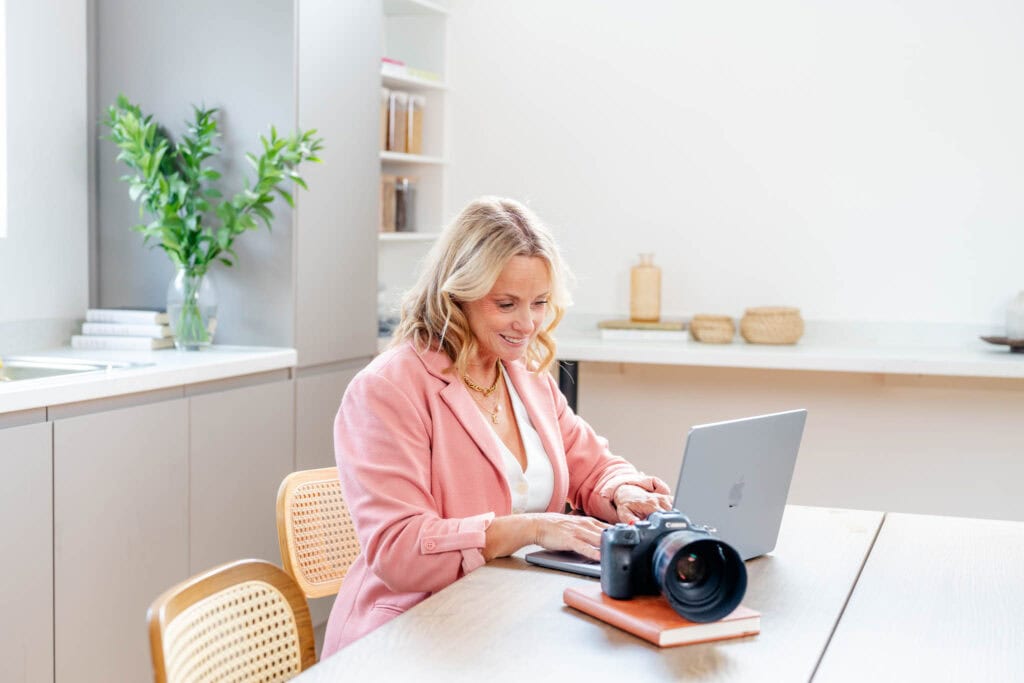
What I won’t do is jump on every trend just because it’s trending. You will not catch me doing a dancing reel. Not because there’s anything wrong with them, plenty of people do them brilliantly, but because it’s not me, and an audience can tell the difference between someone having fun and someone performing a format because an algorithm rewarded it last Tuesday. Staying recognisably yourself matters more, long term, than chasing whatever’s working this week, though “authentic” gets thrown around so often it’s started to lose its meaning. I wrote a whole post trying to properly define it, because it’s about a lot more than just smiling naturally for the camera.
Over the last few years I’ve become just as fascinated by what happens after I deliver the images as what happens during the shoot.
Eventually, it led Katie Brown and me to create The LinkedIn Profile Power Day. She’s brilliant at the strategy and the message. I focus on the images that back it up. Put together, in the same room, on the same day, you leave with both halves actually talking to each other.
It’s not a photography workshop. It’s not another LinkedIn training course. It’s the day I wish had existed when I was trying to work out how marketing and photography actually fit together.
If you’re still working out how photography fits into your own marketing, I’ve also written about how professional brand photography helps attract your ideal clients, which digs into this from a different angle.
Because good marketing isn’t about shouting louder. It’s about making sure every part of your business tells the same story. That’s a lesson I’m still learning every week.
Eddie x
